 +370 609 92524
 +370 652 59734
 +370 655 39321



Nika service
Delphi (dfi) series injectors – part one
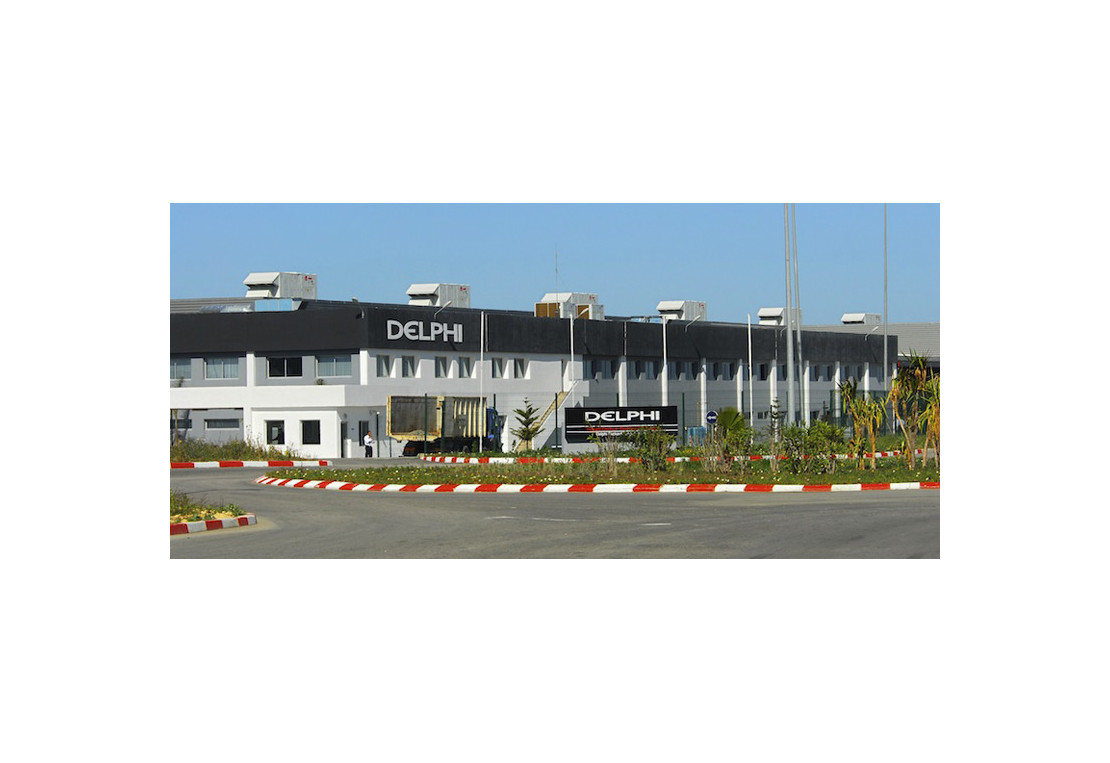
The main Lucas factory capacities were in Great Britain. It was here that, in 1992, a high-pressure fuel injection system factory was opened. In 1997, the factory became the property of a new company – Lucas Varity – but after a couple of years, the entire new company was bought by another segment leader – the American TWR. However, this acquisition did not last long, and at the turn of the century Lucas Varity passed to another American corporation – Delphi Automotive Systems. It is likely that this decision was driven by the Americans’ distrust of diesel engines. This was a mistake, as diesel engines rapidly improved and demand for them in Europe grew quickly, soon reaching America as well. All the laurels and profits went to Delphi, who, however, made one mistake by discontinuing the popular Lucas brand in Europe. Today, only Delphi signs adorn the Stonhouse factory and the technical center in London.
Returning to engines, diesel engines differ from gasoline ones in that they require extremely precisely manufactured parts. The desire to reduce fuel consumption and increasingly strict environmental requirements have raised the precision of diesel engine component manufacturing to an even higher level, as seen at the Stonhouse factory. Here, pumps, injectors, and ultra-high pressure pumps installed in commercial vehicle engines are produced. The machines operating in the factory cut parts with micron precision; the process itself is automated and computerized. The produced parts are additionally ground and polished. This is followed by final cleaning, washing, assembly, testing, and packaging of the finished products for shipment to customers.
The development of new fuel systems is handled by the technical center in London. Here, current issues of mechanics, hydraulics, and electrical installation are solved, work with magnets is carried out, and software is developed. The center also has a design division, conducts model and product testing, and creates prototype models. Approximately 200 employees work in the center, and 680 in the Stonhouse factory.
The results of these people’s work are easily noticeable because, in addition to conventional fuel supply systems, Delphi specialists sometimes create very interesting innovations. For example, together with Daimler engineers, the Delphi Common Rail direct injection system was developed. It was first introduced in the Mercedes Benz C250 CDI, and today it is also installed in E-class models.
Compared to earlier systems, this Delphi system differs in that the injector needle is operated by a piezo element. This allowed the hydraulic cycle and associated time and energy losses to be “eliminated.” Engines became more powerful and economical. The piezo ceramic element moves the needle, and a booster finally lifts it. The injector sprays fuel faster, more precisely, and at pressures up to 2,000 bar. The system also ensures extremely fast valve opening and closing (up to 3 m/s), regardless of injection pressure. In one cycle, the system performs up to 7 injections. This significantly increases the engine efficiency without making radical structural changes. Essentially, it is enough to replace electromagnetic injectors with piezo electric ones for engines to operate more efficiently. Another advantage is that the fuel injection can be adapted to engines of any power. After this operation, exhaust emissions and fuel consumption decrease, and the risk of knocking is minimized.
The piezo electric injector operates without fuel losses, that is, without pressure and power losses. When the pressure reaches the mentioned 2,000 bar, the system requires no additional cooler.
Today, Delphi produces two types of accumulator (Common Rail) injection systems – Direct Acting CR with piezo injectors and Multec Diesel Common Rail with solenoids. Many parts and assemblies of these systems are replaceable separately, so their repair is not expensive.
Delphi produces a multitude of various parts, systems, and assemblies, but we are primarily interested in injectors designed for commercial vehicles, which we will discuss in more detail soon.
Stay tuned…
All comments