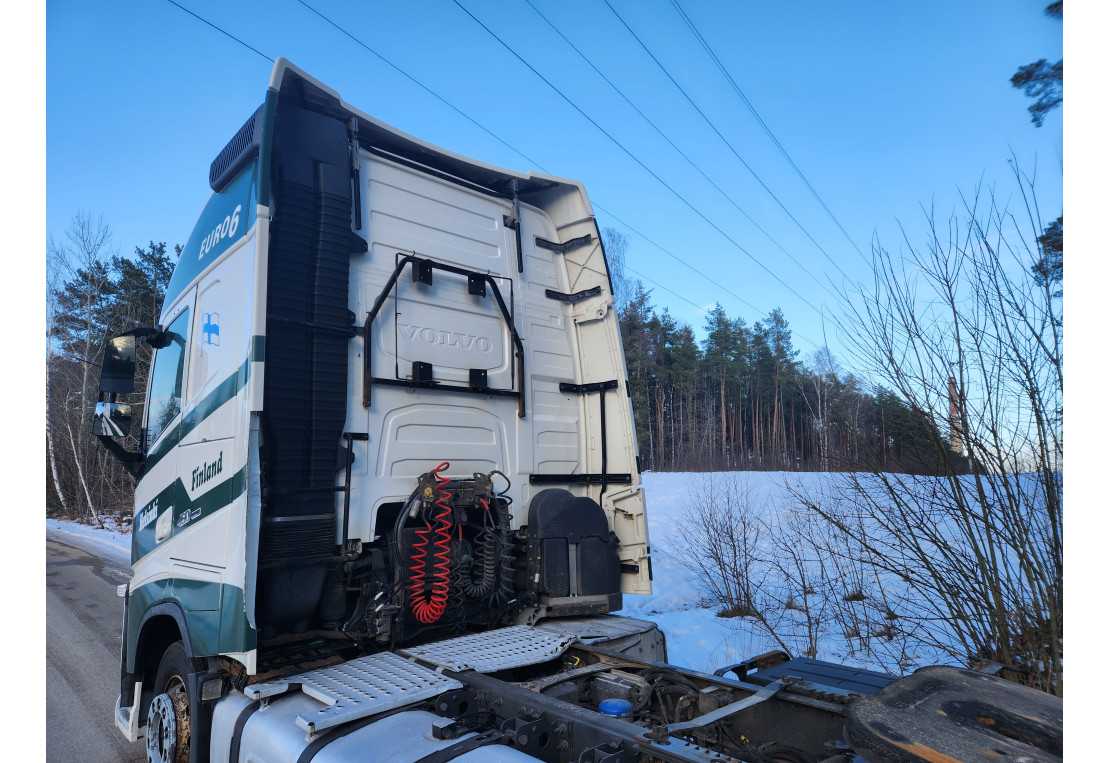
Have you prepared your trucks for winter?
Winter will arrive soon — as always, unexpectedly. Some truck owners can wait calmly because they know their vehicles are ready for the cold season. Others may remember too late…
To avoid that, the experts at Nika Service, a company with many years in the market, remind you:
Use only appropriate (i.e. winter-grade) quality fuels. Frozen fuel will stop the vehicle. Pay attention to both fuel filters: the primary (gross) filter removes coarser debris and absorbs water, while the secondary filter catches finer particles. The engine’s performance depends heavily on the quality of the latter. It’s essential to replace both filters in time, and when traveling to very cold regions, carry extra spare fuel-filter sets.
The low-pressure fuel pump is a key part of the fuel delivery system. It ensures fuel reaches the injectors at the right pressure. If it’s worn, pressure drops and insufficient fuel reaches the injectors. This can cause rough running or engine shutdown — and you can't easily fix that on the road. To avoid such problems, check system pressure before winter.
Prior to winter, inspect the fuel delivery system: check lines for leaks, hoses for fluid tightness, ensure the manual fuel pump works, air hasn't entered the system, and that injectors and the low‑pressure pump function properly. These components play a critical role in engine operation. Failure in any, especially in freezing weather, can cause major trouble. We recommend a full system check as winter approaches.
There may be water in the fuel tank. As cold weather approaches, at minimum inspect the tank, and clean it if necessary. Proactive tank cleaning won’t hurt — tanks accumulate moisture and residue that can impair engine performance.
Always remember your tires and their condition. Are your truck and trailer fitted with proper tires with required tread depth? Even one axle with worn or improper tires can lead to loss of control of the truck or trailer, posing danger to all road users.
How are your brakes and braking system performance? Can they effectively stop both truck and trailer, especially on slippery or snowy roads where stopping distance is critical? Before winter, don’t forget to check the braking system—whether on a brake stand or in safe conditions. If brake pads are worn, braking is uneven or ineffective, invest in servicing one of the most critical systems. Extra vigilance is needed for truck–trailer combinations: more wheels demand greater effectiveness—blocking or failing wheels can be dangerous in a crucial moment.
As temperatures drop, proper functioning of the main electrical systems becomes critical. Smooth operation of these systems helps avoid unexpected breakdowns on the road. Before winter, check the truck’s battery condition, evaluate its cold-weather performance. Also inspect the alternator—how effectively it charges the battery under cold loads. Additionally, check the cabin heating equipment: the windshield defroster and any autonomous cabin heater, to ensure driver comfort and rest. Malfunctioning systems can compromise driver rest and performance.
In snowy regions, consider additional tools for snow and drift recovery. For example, chains on drive wheels help navigate through snow and uncleared roads. It’s also wise to keep traditional tools like a shovel and a bag of gravel close at hand.
Finally, before the season changes, replace all service fluids, inspect wiper blades, and check all lights and headlights for proper operation.
 +370 609 92524
 +370 652 59734
 +370 655 39321